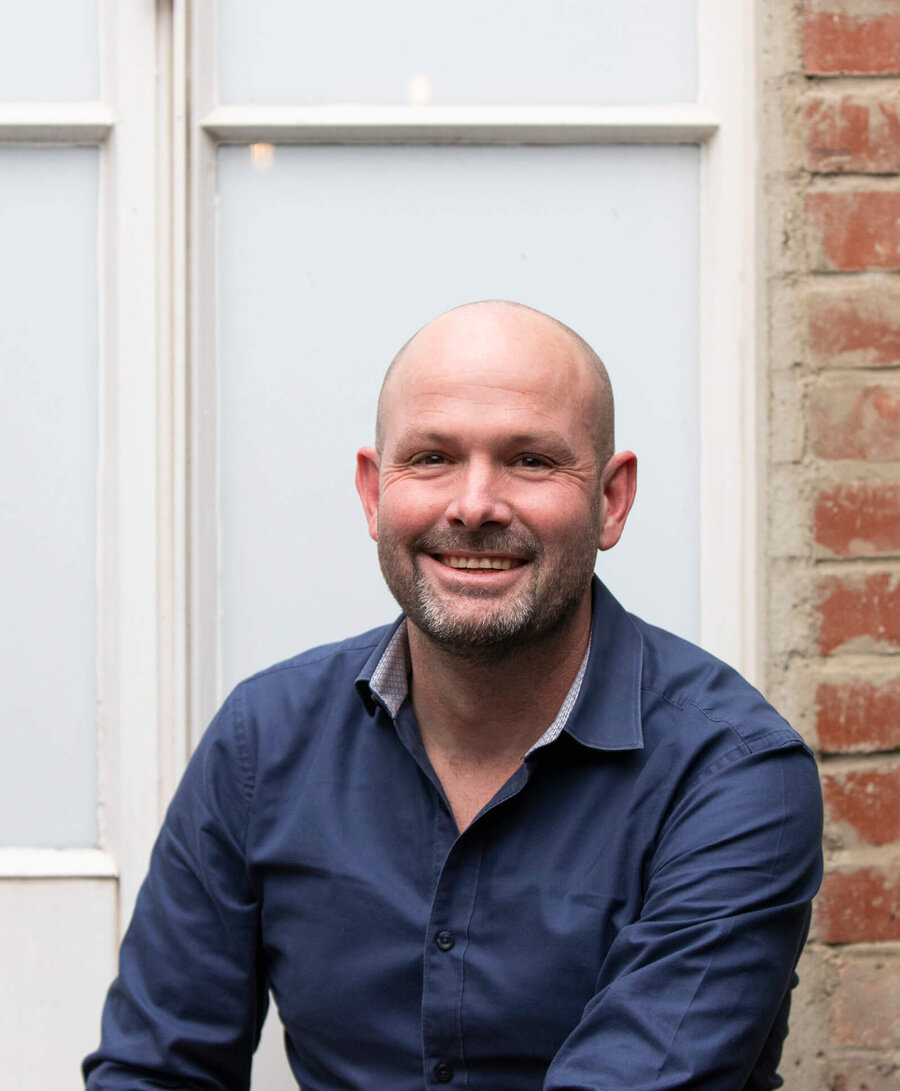
In the latest of our Built to Lead series, we speak to Tom Clews, Head of Business Process Consultancy at UP3.
Tom first came across UP3 as a customer. He went on to join the business over five years ago and has since built the business process consultancy function from the ground up.
In this blog he talks about turning a weakness into a new way of working, why business process consultants are the customer’s advocate on every project and how AI is giving his team more time for the conversations that matter.
Starting on the other side of the table
My story with UP3 started before I worked here. About eight years ago, I was a customer. I was half service delivery manager and half ServiceNow platform owner, and we brought UP3 in as our partner.
The experience was so good, and I liked the people so much, that when I saw a job going a couple of years later, I applied. That time on the customer side has shaped everything I’ve done since.
Finding my strength
I joined in a hybrid role, part engagement manager and part business process consultant (BPC), and I have to be honest, I was not built for engagement management. Project planning and project governance just weren’t for me.
But I was really good at the other half of that first role - talking to customers, understanding what they needed and where we could help. My manager, Rebecca Copley, now our Director of Professional Services, saw that. She could have kept me in the hybrid role but instead, she backed what I was good at and as we won bigger contracts, we split the role in two - dedicated engagement managers and dedicated BPCs.
“My manager saw the potential I brought to the table and said, ‘I want to use what you’ve got."
At first, the BPC function at UP3 was just me. As our customers grew, so did the team, and last year it became a function in its own right with eight full-time BPCs.
What does a business process consultant do on a ServiceNow project?
A BPC sits between the customer and our technical teams, whose focus is rightly on the architecture and the build. BPCs tend to come from service management, operations or business analysis backgrounds. We understand customer pain points because we’ve lived them and breathed them.
Once a project starts, we dive into the statement of work. How does the customer operate today? Is what they’ve asked for compatible with that? We create the process flows that become the workflows in ServiceNow, and the wireframes that show customers what their system could look like before it’s built.
We also make sure we speak to the right people. Senior stakeholders set the strategy, but the people doing the job every day know where the pitfalls and process opportunities are.
Then we advocate for both sides, whether that’s a big design decision, like how much of the scheduling the system should automate and where a dispatcher still needs the final say, or something as small as, ‘Maybe this needs to be a button instead of a link.’
What makes a partner more than a supplier?
What drew me to this work, and still does, is the moment a customer says “wow”. You walk in and someone’s running a process from an Excel workbook and it’s all incredibly complex. You show them what’s possible with ServiceNow, even with a few quick wins, and suddenly it’s simple.
Then there’s winning their trust. On day one, everyone’s welcoming, but there’s still a bit of caution about who you are and what you can bring. A few months later, you’ve become their trusted advocate. You’ve never worked in their company directly, but they value your opinion and trust you to ensure what is delivered matches their need.
“I really believe the BPC role is a big part of what makes UP3 a trusted partner to our customers rather than a supplier.”
Leading the team
Stepping into the head of business process consultancy role meant shifting my focus from my own delivery to how the whole team delivers to a consistently high standard. I could set our standards based on what has worked for me. But is what works for me right for everyone?
The answer is finding a balance. Customers should get the same quality from every UP3 BPC. But my team are talented individuals with their own bank of experience and they need the freedom to approach each project and customer in their own way.
How is AI changing business process consultancy?
AI is helping us spend our time where it counts. I used to spend hours writing up workshop notes or rewatching recordings. Now AI takes the notes, and five minutes later I have a first draft of the minutes to review and check. And I haven’t used a VLOOKUP, the Excel formula for matching data across spreadsheets, since AI came in.
That gives us more time for what customers value most - the conversations, and helping their people get the most out of what we’ve built. It’s exactly what I valued as a customer.
“We use AI to speed up the parts that don’t add value for customers, so we can spend more time on the parts that do.”
Quickfire Q&A
What do you love most about working at UP3?
The people, and the type of work we do. I liked the people so much as a customer that I wanted to work here. And the work is varied. We’re trusted with complex projects that matter, from monitoring the motorway network to critical public services. Seeing that impact never gets old.
What does Built to Lead mean to you?
For me, it’s about putting the right foundations in place. That’s what I did when I built the BPC function, and it’s what we do on every project. Get the foundations right, and we always do the right thing by the customer.
What excites you most about UP3’s future?
The way we’re growing. Not just in size, but in the types of work we’re getting involved in. It feels like a really exciting place to grow.
Inspired by Tom’s journey? We’re always looking for talented people to join our team. Explore our current vacancies at https://up3.co.uk/about/servicenow-careers-with-up...