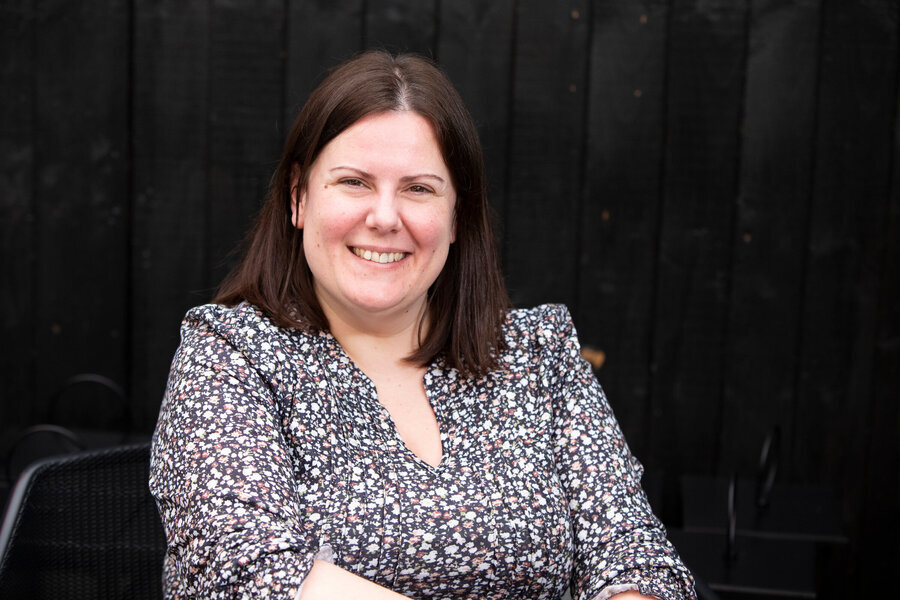
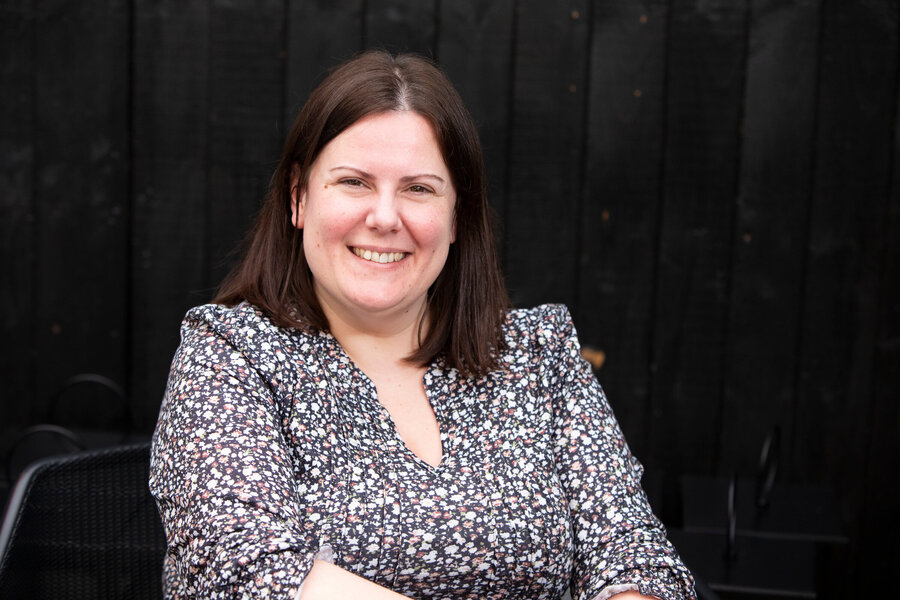
In the latest of our Built to Lead series, we speak to Amy Perbellini, Programme Manager at UP3.
Amy oversees our work with one of our largest customers. She joined almost three years ago, after more than a decade in project management and ServiceNow delivery.
Here, she talks about why governance has to be built in from day one, why getting the design right up front pays off and why delivery doesn’t stop at go-live.
From finance to ServiceNow
I started out on a finance route after university, but I learned early on it wasn’t for me. I’m a people person. So, I joined a graduate programme with a global systems integrator where I spent ten years transitioning service desks and associated tooling.
During that time, ServiceNow arrived as one of our service desk ITSM tools. I wanted to get closer to it, so I moved to a smaller ServiceNow partner and broadened my experience across more of the platform.
I joined UP3 almost three years ago. After Covid, what I’d missed most was the social side of work. My previous role was global, with lots of travel and long hours across time zones. UP3 offered ServiceNow specialism, a London office near me and a real team spirit. I haven’t looked back.
“Every day, you’re delivering something new and putting smiles on customers’ faces”
Holding it all together
Our larger customers have many projects and services running with us at once. As programme manager, I oversee the governance across the account. I’m the main programme decision maker and the first point of contact for everyone involved. And at peak moments, I roll up my sleeves and pick up delivery myself.
Our technical teams bring brilliant ideas about how to solve a problem. My role is to keep those ideas anchored in what the customer wants to achieve, so the technical team, the customer and every supplier are working towards the same outcomes and delivering the desired benefits.
Two things help me do that. A target operating model that everyone has signed up to, and making sure people and process are considered from the outset before starting with changes on the platform.
Why the target operating model matters
A target operating model sets out how a customer and their suppliers work together - the roles, processes, governance and tools that support delivery. My customer is a government organisation, and governance is key. You can’t pick it up only when you want it. It has to be built in from day one and instilled in the overall delivery.
Across my career I’ve seen tell-tale signs that a model isn’t working - more defects than expected, scope creep and rising change requests. Often this happens when the design phase or initial kick off is skipped and the project goes straight into development without the critical initiation elements to ensure everyone is aligned and the solution is thought through from the outset. Without an agreed design, no one is sure what was meant to be built. So, you will see something reported as a fault and when you look into it, it turns out to be a new requirement that was not part of the original scope. Towards the end of last year, we worked with my customer to put a new operating model in place. As the programme grew, we wanted a more structured way to manage demand. Now every request comes through a clear governance process, using the demand, technical review and executive boards ServiceNow recommends. We design solutions together with the necessary suppliers involved to ensure collaboration and more importantly the varying tooling solutions work in unison.
And it doesn’t finish at go-live. Six months on, we go back to stakeholders to check they’ve realised the benefits they expected. Often, we find benefits they hadn’t even anticipated, and new ideas for what to tackle next on the backlog.
“We often find benefits our customers didn’t even think were possible”
Getting people and process right
A good target operating model gives you the structure. But structure only works if the people and processes behind it are ready. At UP3 we talk about the three Ps - people, process and platform. The most common mistake I see is organisations rushing straight to the platform without considering the people and processes.
On the people side, that means having the right roles in the customer’s organisation to drive the change. It means clear communication, guidance and work instructions so staff know how to use what’s been built. And it means time for change management, security sign-off and, where it helps, a pilot before a wider launch.
On the process side, it means thinking beyond the one team asking for the change. If you build a small piece in isolation without considering the wider process, it will struggle the moment it meets the rest of the organisation.
That matters even more with AI. AI needs processes that work across the whole enterprise, not just one corner of it. Get the people and process right first, and the platform can deliver the benefits it promised.
That’s what governance means to me. Everyone working towards the same outcome, before, during and after the build.
“UP3 invests in developing every person in the organisation.”
Quickfire Q&A
What do you love most about working at UP3?
The people. Everyone is a phone call or a Teams message away, and they’ll always help. UP3 also invests in bringing us together, from social events to our annual kick-off. Seeing everyone face to face always puts a smile on our faces.
What does Built to Lead mean to you?
For me, Built to Lead is about being trusted and supported to grow. The leadership team at UP3 gives you the trust to make your own decisions. That might mean being the decision maker on an account, running proofs of concept or joining one of our Centres of Excellence.
What excites you most about UP3’s future?
We’re growing with our customers and taking on more complex work. With the proofs of concept and AI innovation our technical teams are delivering, I think there are some amazing outcomes ahead for our customers.
Inspired by Amy’s journey? We’re always looking for talented people to join our team. Explore our current vacancies at https://up3.co.uk/about/servicenow-careers-with-up...